Loading...
Serving Rapid City, SD and surrounding areas. (605) 646-9837
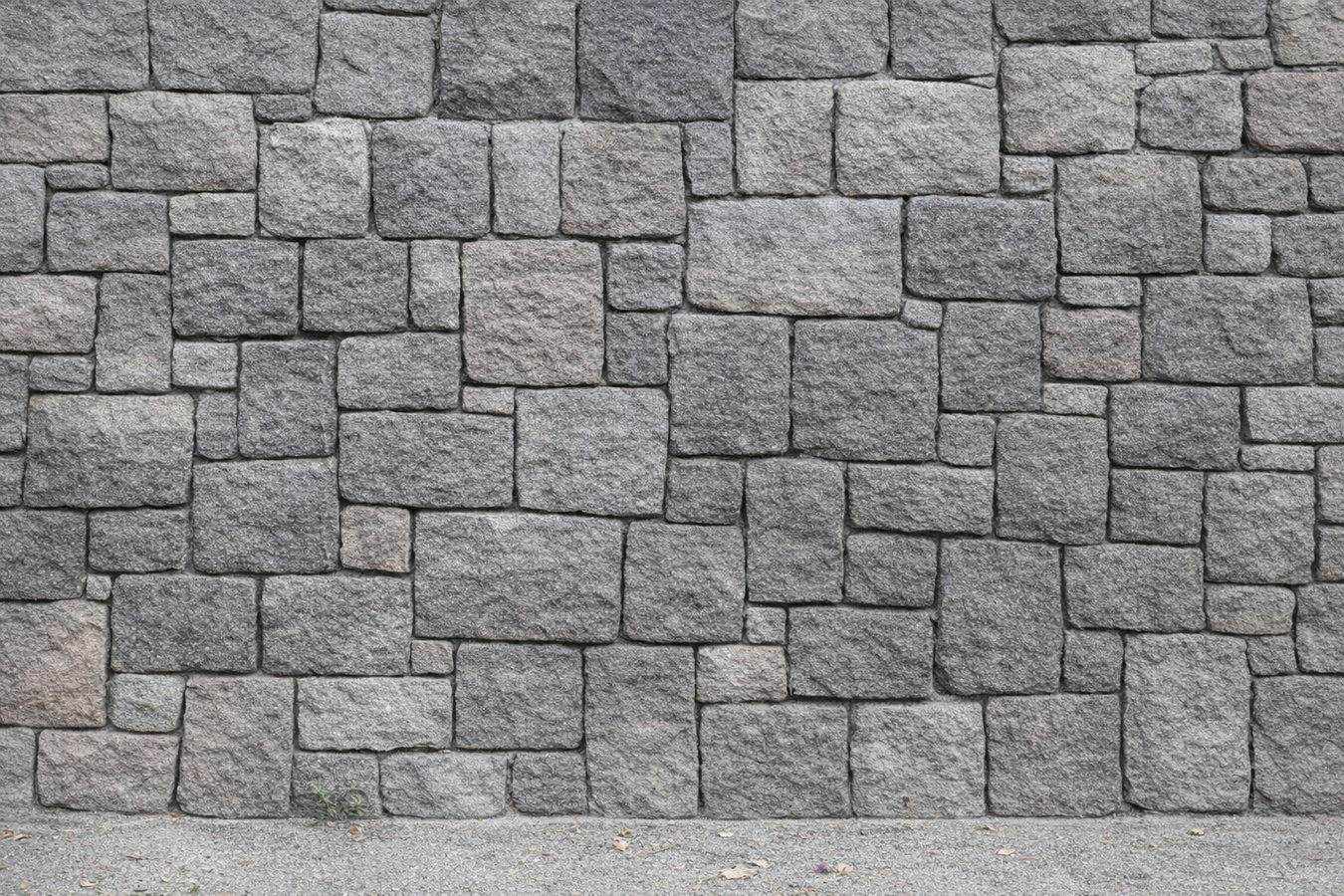
Stone work that looks great on day one but cracks by year three was not built for this climate. We design and build stone walls, patios, steps, and retaining walls in Rapid City with drainage and materials chosen to handle the freeze-thaw cycle year after year.
Stone masonry in Rapid City uses natural or manufactured stone set in mortar to build walls, steps, patios, retaining walls, and outdoor features - most projects take one day to two weeks depending on size, with mortar requiring 24 to 48 hours before light use and up to four weeks for full strength.
Stone masonry covers more ground than most homeowners expect - from a simple set of front steps or a garden border wall, all the way up to a full retaining wall on a sloped lot or an outdoor fireplace. Each project type has its own base requirements and drainage considerations, and in Rapid City, those details matter more than in milder climates. Getting them right is the difference between a stone feature that lasts decades and one that needs repair after a few winters.
Many homeowners planning outdoor stone features also ask about brick pointing for existing walls showing mortar wear, or combine stone work with a retaining wall project when sloped lots need both structural support and a finished stone surface.
That white chalky film is called efflorescence, and it means water is moving through your masonry and carrying mineral salts to the surface. In Rapid City's climate, where snowmelt and spring rain push moisture against foundations and walls, this is a common early warning sign. It does not mean your wall is about to fall, but it means water is getting in - and that should be addressed before the next freeze-thaw season starts.
Run your finger along the joints between stones on an older wall or chimney. If the mortar feels soft, sandy, or comes away easily, it has broken down and is no longer sealing out water. This is especially common in Rapid City homes built before the 1970s, where original mortar has been through decades of harsh winters. Catching this early and having it repaired is much cheaper than waiting until stones start shifting.
A retaining wall that is starting to lean outward is telling you that water pressure or soil movement is pushing against it. In Rapid City, spring thaw can saturate the soil quickly and this kind of movement can accelerate fast. Do not wait to see how it looks next season - a leaning wall is a safety issue and will only get more expensive to fix the longer it sits.
If water is collecting against your home's foundation after rain or snowmelt, stone or masonry work around the base may have settled or cracked enough to redirect water toward the house. Left alone, this leads to basement moisture problems and foundation damage. A mason can assess whether the issue is in the masonry itself or whether grading and drainage work is also needed.
Our stone masonry work covers new installations and repairs across a wide range of residential projects. For new builds, we start with the base - proper compaction, a concrete footing where required, and gravel drainage behind any retaining feature. The stone itself is either natural material or high-quality manufactured stone veneer, depending on the project and budget. When homeowners want a structural retaining feature paired with a stone finish, we often combine stone masonry with a full retaining wall build to make sure the structure can handle the soil loads on Rapid City's sloped lots.
For existing stonework that has aged, we assess what actually needs attention. In most cases, the stone itself is fine - it is the mortar that has broken down. Our brick pointing work addresses failing mortar joints directly, restoring the wall's weather resistance without tearing out and rebuilding. The Natural Stone Institute and the Mason Contractors Association of America set the technical standards that guide our material selection and installation practices on every project.
Suits homeowners who want a permanent, natural-looking boundary, raised bed edge, or yard divider built to last through South Dakota winters.
Suits homeowners looking for a durable outdoor living area that holds up to freeze-thaw cycles without heaving or cracking.
Suits properties with grade changes at the front or back entry where a concrete or wood solution has failed or worn out.
Suits sloped lots where soil needs to be held back - combines structural function with the finished look of natural or manufactured stone.
Rapid City averages around 160 freeze-thaw cycles per year - temperatures regularly cross the freezing point and then warm back up. Every time that happens, any moisture trapped in mortar joints or behind stone expands and contracts. For homeowners here, the quality of the mortar mix and the drainage design are not optional details - they are what determines whether stonework lasts decades or starts cracking within a few seasons. The Black Hills region also has genuine local stone options: granite, limestone, and quartzite are quarried in the area, and using locally sourced stone can reduce material costs while giving a project a look that fits the landscape naturally. If your home is on the west side of Rapid City near the hills, sloped lots add drainage complexity that needs to be addressed before any stone feature is built.
Rapid City's established neighborhoods include a significant number of homes built in the 1940s through 1960s, many with original stone chimneys, foundations, or decorative walls. Homeowners in Rapid City and nearby communities like Piedmont frequently need assessment of these older stone features before deciding whether repair or replacement is the right path. If your home has any original stone work and has not had a mason look at it in the last several years, the mortar has likely aged past the point where it is still doing its job.
Tell us what you need - a new feature, a repair, or an assessment of something that looks off. Send photos if you have them. We respond within one business day and can usually schedule a site visit within the same week.
We come to your property, check the site conditions, measure the area, and look at any existing masonry. You get a written estimate that breaks down labor and materials - not a single lump-sum number with no detail.
Once you approve the scope and price, we schedule your project. Spring and early summer slots fill up quickly in Rapid City, so expect a few weeks' wait during peak season. Before the crew arrives, clear the work area of furniture or planters.
The crew protects nearby plants, prepares the base first, then sets the stone. When the job is complete, we walk through the finished work with you so you can ask questions and confirm everything looks right before we leave.
Free estimate, written quote, no obligation. We respond within one business day.
(605) 646-9837Rapid City's snowmelt season puts serious pressure on retaining walls, and a wall built without drainage behind it will start to lean within a few years. We build gravel backfill and drainage pipe into every retaining wall we construct so the water has somewhere to go besides straight into your wall.
The City of Rapid City requires permits for retaining walls above a certain height and for structural masonry work. We handle the permit application on your behalf - you do not have to navigate building services on your own. Your project is on record, inspected, and fully above board.
Using the wrong mortar mix in a freeze-thaw climate produces joints that crumble within a season or two. We specify mortar appropriate for South Dakota winters and for your specific stone type - whether natural granite or manufactured veneer - so the work holds up season after season.
Many older homes in Rapid City have stone features that look worn but are still structurally sound. We will not recommend a full rebuild when targeted mortar repair will do the job. We show you exactly what we found and why we are recommending what we are before any work begins.
Every one of these commitments comes from working on Rapid City homes through South Dakota winters. When you combine drainage planning, correct mortar specification, and honest repair-versus-replace guidance, you get stonework that holds up - not just for a few years, but for decades.
Replace failing mortar between existing bricks or stones to seal out water and stop further deterioration before it reaches the masonry itself.
Learn MoreStructural walls designed to hold back soil on sloped lots, built with the drainage and footing depth Rapid City's freeze-thaw cycle demands.
Learn MoreRapid City contractors fill their schedules fast once the weather turns - reach out now and lock in your project for this season.