Loading...
Serving Rapid City, SD and surrounding areas. (605) 646-9837
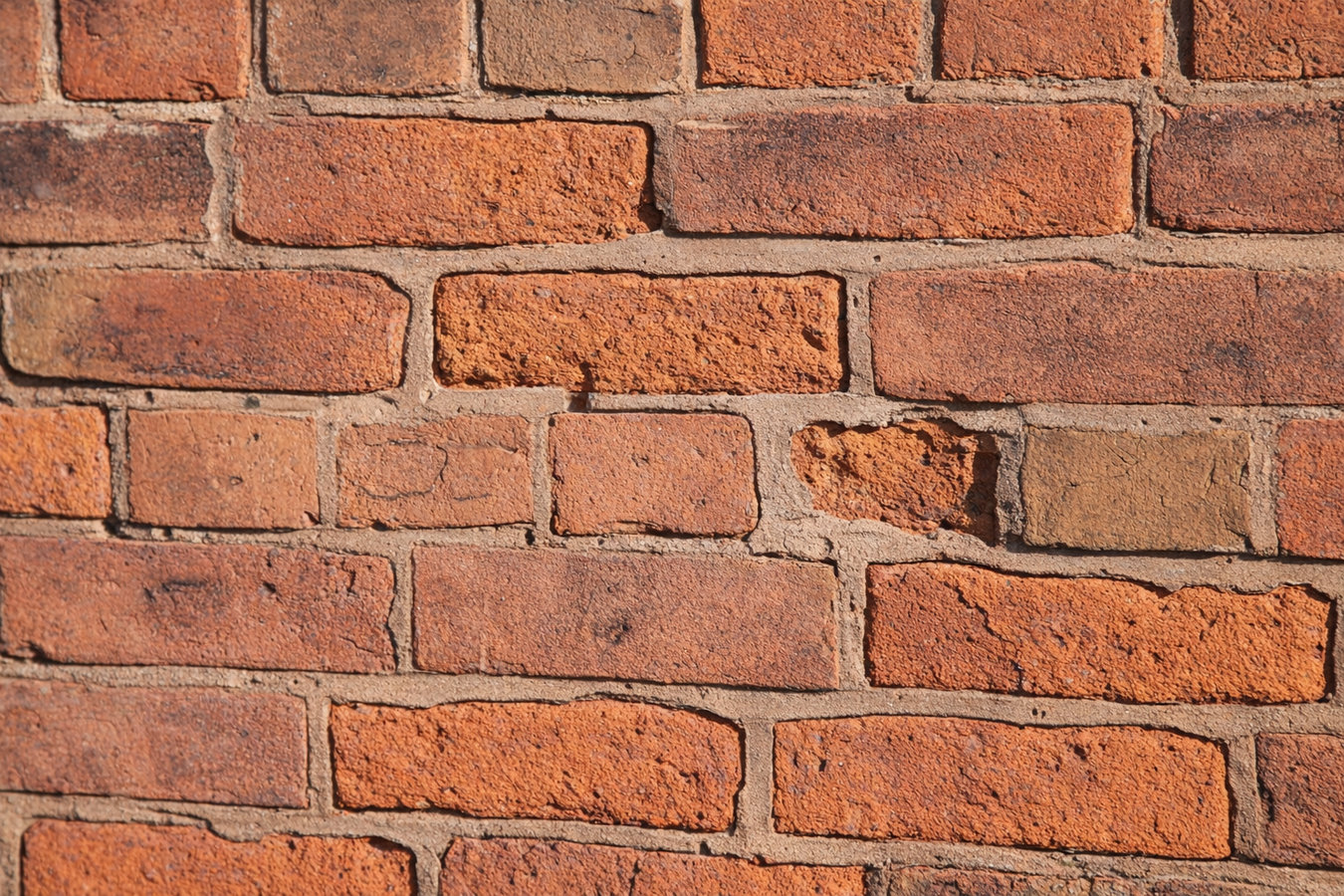
Crumbling mortar joints are not just cosmetic. In Rapid City's climate, failing mortar lets water in - and that water freezes, expands, and forces bricks apart every winter. We replace damaged mortar with a mix matched to your specific brick so the repair lasts and the damage stops.
Brick pointing in Rapid City is the process of removing old, crumbling mortar from the joints between bricks and replacing it with fresh mortar - the bricks stay in place, most jobs on a chimney or wall section take one to three days, and new mortar reaches its working strength over 24 to 48 hours before it can get wet.
Think of mortar as the sacrificial layer in your brick wall. It is softer than the brick by design - it absorbs movement and moisture so the bricks themselves do not crack. Over time, that mortar wears down from water, freezing, and normal settling. When it crumbles or pulls away from the brick face, water moves in. In Rapid City's climate, that water freezes with each cold snap, expanding inside the joints and making the damage worse every winter. Catching mortar failure early keeps the repair cost manageable. Waiting until bricks start loosening means a much larger project.
Homeowners dealing with damaged mortar on chimneys often combine brick pointing with foundation repair when water infiltration has reached the base of the home, or follow up pointing work with a full masonry restoration when the wall needs surface cleaning and sealing in addition to new mortar.
Run your finger or a key along the mortar joints between your bricks. If the material crumbles, flakes off, or feels sandy rather than hard, it has lost its integrity. Mortar in good condition should resist light pressure. If it does not, water is already finding its way in - and in Rapid City's winters, that means freeze-thaw damage is already happening inside the wall.
Stand back and look at your brick wall or chimney in good light. If you can see dark gaps where the mortar should be, or if the mortar sits noticeably deeper than the brick face, the joints have eroded past the point of protection. In Rapid City, those gaps become channels for water that will freeze and expand with every cold snap.
A chalky white residue on the surface of your bricks after rain or snowmelt - called efflorescence - is a sign that water is moving through your wall and carrying dissolved salts to the surface. It almost always points to failing mortar joints. It is your wall's way of telling you something is wrong before the damage gets serious.
If you notice small chips or flakes coming off individual bricks after a hard winter, that is freeze-thaw damage working from the inside out. Once mortar fails and water gets into the brick itself, the repeated freezing and thawing breaks the brick apart. This means pointing is overdue - and that some bricks may need replacement alongside the mortar work.
Every brick pointing job starts with thorough removal - grinding or chiseling the old mortar to a depth of at least three-quarters of an inch so the new material bonds to clean brick on both sides. Shallow removal is the most common shortcut in repointing, and it is the reason many jobs fail within a few years. Once joints are cleaned, we pack in fresh mortar in layers and tool each joint to match the original profile. The mortar mix itself is calibrated to your specific brick - older pre-1960 homes in Rapid City's West Boulevard or Robbinsdale neighborhoods need a softer, lime-based mix, while newer brick can take a harder modern mortar. Getting that matching right is what the National Park Service Preservation Brief on repointing identifies as the most critical factor in repointing success.
When pointing work is part of a larger project - for example, a chimney that also needs crown repair, or a wall where some bricks have shifted - we address the broader scope rather than just the mortar. Homeowners dealing with extensive deterioration across multiple wall surfaces sometimes combine pointing with a full masonry restoration to clean, repair, and seal the entire exterior in one project. When water has already reached the foundation through failed mortar at the base of the home, we coordinate with our foundation repair work to address both problems in the right order.
Suits homeowners with chimneys showing mortar wear at the crown or upper courses - the part of the house most exposed to Rapid City's weather extremes.
Suits homes where large sections of wall mortar have softened or receded, creating widespread water infiltration risk across the facade.
Suits homeowners with older stone or brick retaining walls whose mortar has broken down, letting water penetrate behind the wall and increasing pressure on the structure.
Suits homeowners who have identified specific problem spots - a cracked section, a single wall face, or joints around a window opening - that need attention before winter.
Rapid City sits at roughly 3,200 feet elevation and regularly sees temperatures swing from below zero in January to the 90s in summer. That kind of temperature range means water trapped in aging mortar joints freezes and thaws repeatedly, grinding mortar down faster than in milder climates. Rapid City is also one of the few places in the country where Chinook winds off the Black Hills can raise temperatures 40 or 50 degrees in a matter of hours during winter - that rapid thermal expansion and contraction puts unusual stress on mortar joints, causing them to crack and separate faster than in cities with more stable winter temperatures. Homeowners with older brick homes should inspect their mortar joints every spring, not just every few years. A significant portion of Rapid City's brick homes were built between the 1920s and 1960s, and the original mortar in many of those walls has long since exceeded its useful life.
The seasonal work window for exterior masonry in this area runs roughly May through September - mortar cannot be applied when temperatures are below 40 degrees, and Rapid City's shoulder seasons can be unpredictable. Homeowners in Rapid City and nearby communities like Sturgis who wait until they see obvious damage in late summer often find themselves scheduling for the following spring. Reaching out early in the season is always the better move.
When you reach out, we will ask what type of structure it is, roughly how much area looks affected, and whether you have noticed any water damage inside. We respond within one business day and schedule a time to see it in person - most estimates in Rapid City are free and take 20 to 45 minutes on site.
We walk the affected area, check how deep the damage goes, whether any bricks are loose, and what mortar type was originally used. Mortar matching is critical - getting it wrong causes more damage than it fixes. You receive a written estimate that breaks down the scope and cost before any work is agreed upon.
The crew carefully grinds out old mortar to a depth of about three-quarters of an inch - the noisy part of the job. Once joints are clean, fresh mortar is packed in by hand in layers and tooled to match the original profile. Depending on size, this takes one to three days.
We clean up mortar dust and debris, then walk the finished work with you so you can look at the joints up close before we leave. Fresh mortar needs 24 to 48 hours before it gets wet - avoid sprinklers near the work area and watch the weather forecast for the first two days.
Free on-site estimate, written quote, no obligation. We respond within one business day.
(605) 646-9837Using the wrong mortar type is the most common and costly mistake in repointing. Mortar that is harder than your brick forces stress into the brick itself, causing faces to chip and spall over time. We identify the appropriate mortar strength for your home - especially important for pre-1960 Rapid City homes that need a softer mix.
Shallow joint removal is the shortcut that makes repointing jobs fail early. We grind or chisel to a minimum depth of three-quarters of an inch so the new mortar bonds to clean brick on both sides. That extra step is the difference between repair that lasts 20-plus years and repair that needs to be redone in five.
South Dakota requires contractors to hold a current state license, and homeowners can verify any contractor's status through the South Dakota Department of Labor and Regulation before hiring. We work under a valid license - you can check it in two minutes before anyone sets foot on your property.
We know Rapid City's working window and we will tell you honestly whether your project should be done this season or whether it is safe to wait until spring. If your mortar is at a stage where waiting means more brick damage over winter, we will tell you that too. No pressure, just the information you need to decide.
Brick pointing is one of those repairs that pays back many times its cost when done correctly - and costs far more when done with the wrong mortar or skipped removal. Every project we take on in Rapid City is built around the principle that the repair should last as long as the original mortar did, or longer.
Address water infiltration and structural movement at the base of your home when mortar failure has allowed moisture to reach the foundation.
Learn MoreFull exterior masonry cleaning, repair, and sealing for walls that need more than new mortar - bringing aging brick surfaces back to sound condition.
Learn MoreRapid City's masonry window runs May through September - book your spot now and get the work done before the next winter season hits your mortar joints.