Loading...
Serving Rapid City, SD and surrounding areas. (605) 646-9837
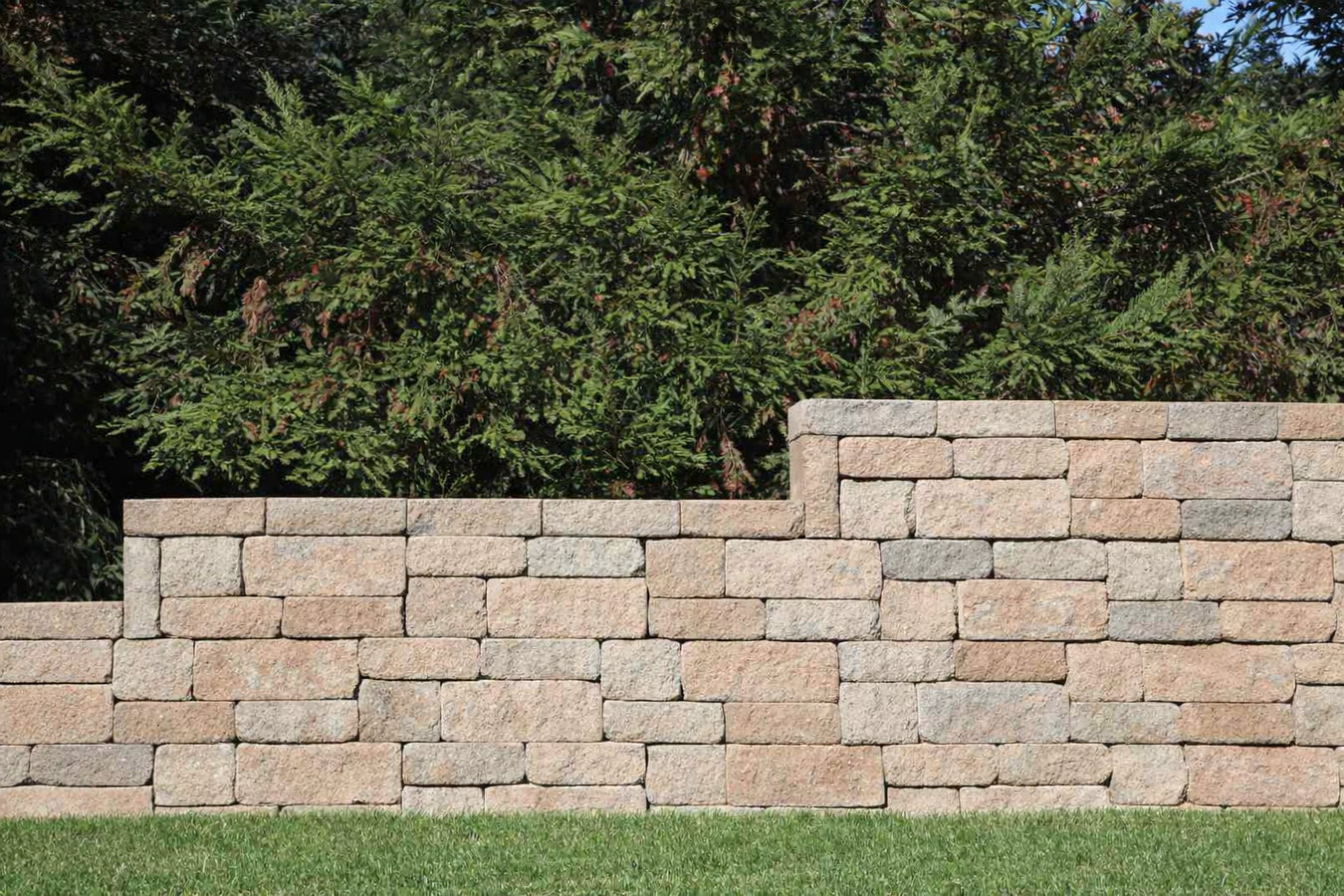
Soil washing away from a slope, a leaning wall after a hard winter, or a yard too steep to use - these are solvable problems. We build retaining walls with deep footings and proper drainage that hold up through Black Hills freeze-thaw cycles.
Retaining wall construction in Rapid City holds back soil on sloped lots to stop erosion and create flat, usable yard space, most residential projects take one to five days depending on wall height, length, and site conditions.
A lot of Rapid City lots - especially on the west side near the Black Hills foothills - have grade changes that make the yard difficult to use and drainage that runs in the wrong direction. A retaining wall solves both problems at once: it stops soil from moving and lets you build a flat terrace where there wasn't one before. If an existing wall is leaning or cracking after a hard winter, that is a structural issue that won't fix itself and tends to get more expensive the longer it sits.
The most important thing in any retaining wall is what you don't see: the footing depth and the drainage built behind the wall. Many homeowners who also need hardscaping solutions combine a retaining wall with masonry restoration on older structures nearby, or add concrete block walls for additional property definition.
If you notice bare patches appearing on a hillside after rain, or small ridges of dirt collecting at the base of a slope, your soil is moving. In Rapid City, spring snowmelt accelerates this quickly - what looks like a minor erosion issue in March can become a significant loss of yard by May.
A wall that is no longer straight is telling you that water pressure or soil movement has overcome its structure. In Rapid City's freeze-thaw climate, this kind of damage often appears in spring after a hard winter - and a leaning wall that isn't addressed will eventually fall.
If water collects against your home's foundation rather than draining away, a slope or grade issue is likely pushing it in the wrong direction. A retaining wall combined with proper grading can redirect that water before it causes foundation damage, which is one of the more expensive repairs a homeowner can face.
Many Rapid City properties, especially those near the foothills, have significant grade changes that make the yard difficult to use. A retaining wall creates a level terrace where you can put a patio, garden, or play area - turning an unusable slope into functional outdoor space.
We build retaining walls in concrete block, natural stone, and poured concrete - each with different looks, price points, and lifespans. The right material depends on the height of the wall, your soil conditions, your yard's aesthetic, and your budget. What doesn't change is the process: every wall we build gets a footing set below the frost line, gravel backfill, and drainage outlets so water can move through instead of building pressure behind the wall. For taller walls - anything over four feet - we handle the City of Rapid City permit and inspection process.
For properties with multiple problems to solve, retaining walls often work alongside other masonry projects. We can integrate a wall with masonry restoration work on an older structure nearby, or pair it with concrete block walls for additional structure and definition on your property. Every estimate is written after a site visit, so you know exactly what is included before work begins.
The most common choice for residential Rapid City projects - durable, frost-resistant, and available in a range of finishes to match your yard.
Suits homeowners who want a more natural look that complements the Black Hills terrain - limestone and granite blend well with the regional landscape.
Right for properties with large elevation changes where a single tall wall is not the best engineering or aesthetic solution.
For existing walls that are leaning, cracking, or have failed drainage - we assess whether repair or full replacement is the more cost-effective path.
Rapid City sits at the edge of the Black Hills, where soil conditions can shift dramatically from one yard to the next - soft clay in one corner, limestone bedrock a few feet away in another. The frost line here runs roughly 36 to 42 inches deep, which means footings that would be perfectly adequate in a warmer climate are not deep enough to handle a Rapid City winter. That is why you see walls in this area start to lean and crack after just a few seasons: they were built to general standards rather than local ones. The National Concrete Masonry Association sets the technical standards for block wall design that inform how we engineer footings and drainage for this climate.
Spring snowmelt from the Black Hills is another factor that separates Rapid City from flatter, drier communities. Large volumes of water move through the soil in a short window every March and April, and a wall without adequate drainage built in can face enormous pressure during that period. Homeowners in Summerset and Piedmont often deal with this on sloped lots where the snowmelt runs directly toward the wall. That is why we install gravel backfill and drainage outlets on every wall we build - not as an add-on, but as a baseline requirement for working in this region.
We come to your property to walk the slope, assess the soil and drainage, and understand what access the crew will need. You will receive a written estimate after the visit - not a number over the phone - and we will respond within one business day of your initial call.
If your wall will exceed four feet, the City of Rapid City requires a permit before work begins. We file the paperwork, handle the submission, and schedule the inspection - you don't make a single call to the city. We build the permit timeline into your project schedule from the start.
The crew excavates below the frost line - this is the most important step and the one most often shortcut by less experienced contractors. You will see soil removed and gravel brought in. The ground will look messy during this phase, which is normal.
The wall goes up course by course with gravel and drainage outlets installed behind it as it rises. Once complete, we backfill, grade the surrounding soil, clean up the site, and walk you through the finished wall - showing you where the drainage outlets are and what to watch for in the first year.
We will walk your property, assess the slope and soil, and give you a written estimate with no obligation. Replies within one business day.
(605) 646-9837The frost line in Rapid City runs roughly 36 to 42 inches deep. We excavate to that depth on every wall so the footing sits below where the ground freezes. This is what keeps the wall straight through years of Black Hills winters.
Water pressure building up behind a wall is the most common reason walls fail early. We install gravel backfill and drainage outlets on every project so spring snowmelt has somewhere to go instead of pushing outward on the wall face.
We work throughout Rapid City and the surrounding area, so we have direct experience with the rocky, variable soil conditions that vary from neighborhood to neighborhood. That firsthand knowledge shapes how we design and price each project.
We don't quote retaining walls over the phone because site conditions here vary too much for a phone number to mean anything. We visit your property, assess the soil and slope, and give you a written estimate that covers every line item before you decide.
Taken together, those four things - frost-depth footings, integrated drainage, local soil knowledge, and transparent pricing - are the difference between a wall that holds for 50 years and one that leans after its second winter. That is the standard we build to on every project, regardless of size.
For permit requirements, the City of Rapid City Building Services is the authoritative source on what requires a permit for residential walls in Pennington County.
Repairs and restores existing masonry structures on your property that have weathered Rapid City winters.
Learn MoreAdds structural definition to your property with block walls built to the same frost-depth standards as our retaining walls.
Learn MoreEvery wet season without a wall is another season of soil loss - get a free on-site estimate now and lock in your spot on the schedule.