Loading...
Serving Rapid City, SD and surrounding areas. (605) 646-9837
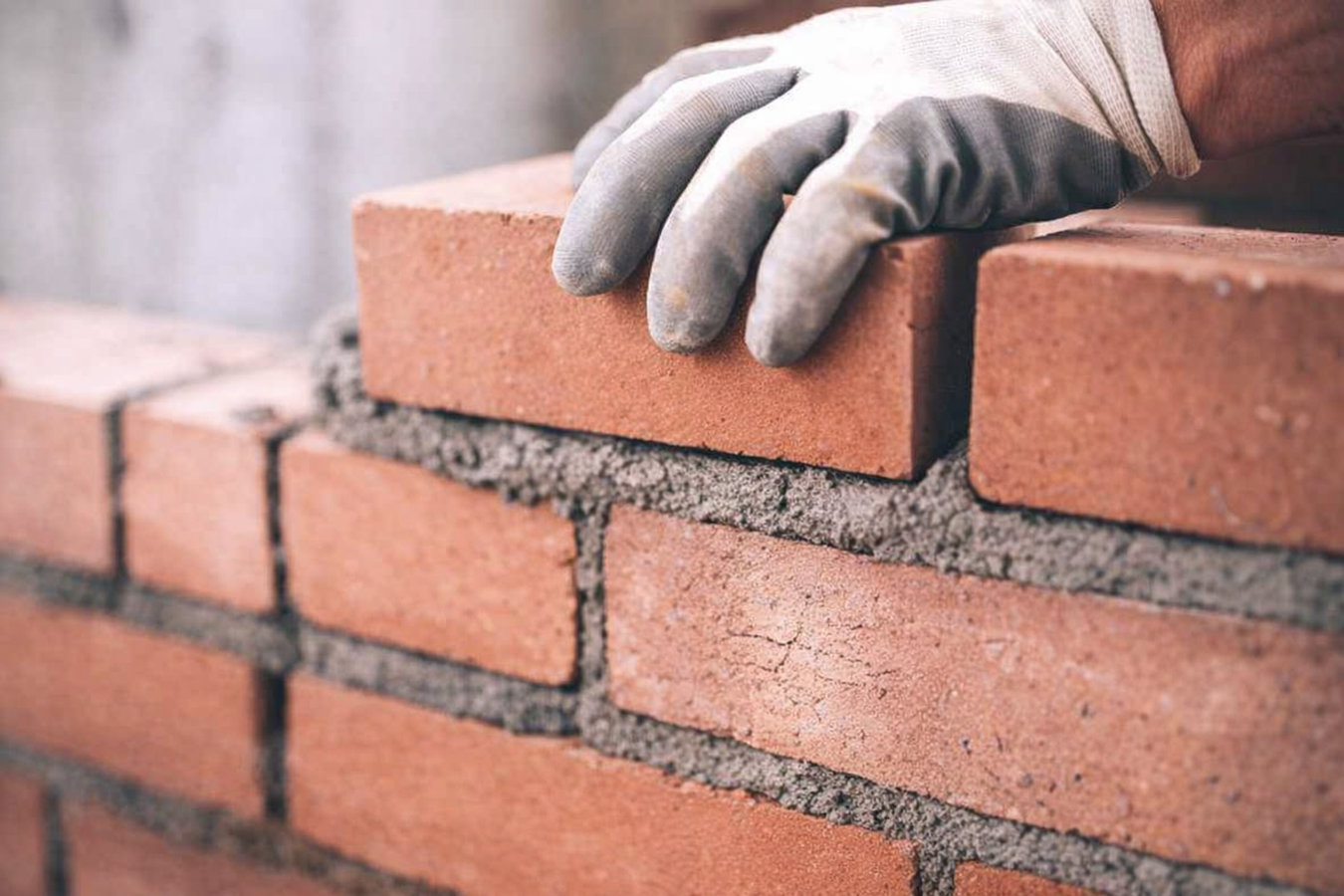
A brick wall that leans, cracks, or crumbles after a few winters was not built for this climate. We install brick walls in Rapid City with frost-line footings and weather-grade materials so the wall stays plumb and solid through years of Black Hills winters.
Brick wall installation in Rapid City starts with a concrete footing dug below the frost line, followed by bricklaying with correctly mixed mortar - most residential walls take two to five days of on-site work once the footing has set, with a 28-day mortar cure before the wall reaches full strength.
The part of the wall you never see - the footing - is the part that determines whether the wall stays straight. Rapid City's ground freezes to a significant depth each winter, and a footing that does not reach below that frost line will heave upward over time, pushing the wall out of plumb. This is the single most common cause of brick walls that lean or crack within a few years of installation, and it is entirely preventable with proper footing depth.
Homeowners adding a brick wall often pair the project with stone masonry when they want a natural material for part of the structure, or combine it with brick repair when existing adjacent masonry needs attention before the new wall goes in.
If you can see a wall pulling away from vertical, or if cracks are running diagonally through the mortar joints, the wall has likely shifted in the ground beneath it. In Rapid City, this is often caused by frost heave - the ground freezing and pushing the footing upward over many winters. A leaning wall will not correct itself and poses a real safety risk if it falls.
Run your finger along the joints between bricks on an older wall. If the mortar crumbles away easily, sounds hollow when you tap it, or has gaps where it has fallen out entirely, water is getting in. In Rapid City's climate, that water freezes each winter and expands, making the damage worse every year. Catching this early - with tuckpointing - is far cheaper than waiting until bricks start to loosen.
If your yard lacks a clear edge - especially on a sloped lot near a driveway - a brick wall solves multiple problems at once. It defines your property line, holds back soil on a grade, and adds a finished look that wood fencing cannot match. Many Rapid City lots in older neighborhoods have informal or deteriorated boundaries that have never been properly addressed.
If you notice water collecting against your foundation after heavy rain or during spring snowmelt, a properly built brick retaining or diversion wall can redirect that water away from your home. Rapid City's spring runoff can be significant, and foundation water damage is one of the most expensive repairs a homeowner can face. A brick wall in the right location is a long-term fix.
Every brick wall project begins with the footing - a concrete base dug below Rapid City's frost line so the wall stays anchored as the ground moves each winter. The bricks we specify are rated for severe weather exposure, meaning they are designed for climates like this one where temperatures swing dramatically between seasons and water must be kept out of the material year after year. The mortar mix is calibrated for this climate as well - the wrong mix for a cold region produces crumbling joints within a few years. For projects that combine masonry materials, we often work alongside stone masonry to integrate brick and natural stone in a single structure.
When existing adjacent brickwork needs attention before a new wall goes in, we assess and address those repairs through our brick repair work first, so the new installation sits next to masonry that is in good shape. We handle the City of Rapid City permit for any wall above three feet - you do not have to contact the building department yourself. The Brick Industry Association technical standards guide our material specifications and installation practices on every project.
Suits homeowners who want a permanent, low-maintenance property edge or yard divider that outlasts wood or composite fencing without rotting or warping.
Suits properties with sloped lots where soil needs to be held back on a grade - provides structural support with the finished appearance of traditional masonry.
Suits homeowners who want a finished, architectural look - brick pillars and coping caps add definition to driveways, garden entrances, or yard boundaries.
Suits properties where spring snowmelt or heavy rain sends water toward the home's foundation - a correctly placed wall redirects water away before it causes damage.
Rapid City sits at roughly 3,200 feet elevation and regularly sees temperatures swing from well below zero in January to the 90s in summer. That dramatic range means the ground freezes and thaws repeatedly each year - and any masonry wall with an undersized footing will reflect that movement within a few winters. The frost line in the Black Hills area runs approximately 42 inches deep, which means footing trenches need to be dug to that depth before any concrete is poured. A mason who proposes a shallow footing to save time or money on a Rapid City project is offering you a wall that will eventually fail. Parts of the city also sit on variable soils - including fill soils in newer subdivisions on the west and south sides - where extra footing depth or reinforcement may be needed even beyond the standard frost-line requirement.
Established neighborhoods across Rapid City - including North Rapid, Canyon Lake, and West Boulevard - have significant housing stock from the 1940s through the 1970s. Many of these properties have aging original brick features that need assessment before new brick work begins nearby. We also serve homeowners in communities like Sturgis who face the same climate conditions and construction season constraints. The Mason Contractors Association of America installation standards we follow apply directly to cold-climate masonry work like this.
Call or submit a message online and we respond within one business day to arrange a free on-site estimate. We need to see the ground conditions, measure the area, and discuss your options before giving you an accurate number - no real quote comes without seeing the property first.
After the site visit you receive a written proposal covering the full scope and cost. If your wall requires a permit - which it usually does above three feet - we handle the application to Rapid City Building Services and build the timeline around permit approval, typically a few business days to two weeks.
On the first work day the crew marks the wall location, digs the footing trench to frost-line depth, and pours the concrete base. The footing needs 24 to 48 hours to set before bricklaying begins - do not be surprised if nothing appears above ground after day one.
Once the footing has set, bricklaying proceeds course by course with level and plumb checked at every row. After the last brick is set, the city inspector signs off if a permit was pulled. Give the mortar four weeks to reach full strength before attaching anything to the wall or placing heavy loads against it.
Free estimate, no obligation. We respond within one business day.
(605) 646-9837We dig to frost-line depth for every wall we build in Rapid City - approximately 42 inches in the Black Hills region. This is the detail that separates walls that stay plumb from walls that start leaning after the third winter. We do not propose shallower footings to cut time or cost.
The Brick Industry Association grades brick by how well it handles moisture and freezing. We specify severe weather exposure grade for all Rapid City projects - the same grade used for exterior walls in harsh climates. Using the wrong grade saves a few dollars at installation and costs much more in repairs within a few years.
Walls above three feet in Rapid City require a permit and a city inspection. We submit the application, coordinate the inspection schedule, and make sure the paperwork is complete - you never have to contact Rapid City Building Services yourself. The inspection record protects you at resale.
We have completed brick wall projects across Rapid City's established neighborhoods, from North Rapid to Canyon Lake. We can provide references from past clients and, in most cases, point you to finished walls in your part of town that you can see in person before you commit.
The details that make a brick wall last - footing depth, brick grade, mortar mix, and permit compliance - are all things you cannot see once the job is done. That is why the contractor you choose matters more than the price on the estimate. We document every project correctly and build to the standards that the climate here actually demands.
Combine natural stone and brick in a single structure, or build an entirely stone wall - our stone masonry work uses the same frost-line footing standards as brick installation.
Learn MoreAddress crumbling mortar or damaged bricks on existing walls before or alongside new brick wall installation to keep adjacent masonry in good shape.
Learn MoreDemand for masonry work in Rapid City peaks in May and June - good contractors fill their schedules fast. Call or request an estimate now to lock in your start date before the rush.