Loading...
Serving Rapid City, SD and surrounding areas. (605) 646-9837
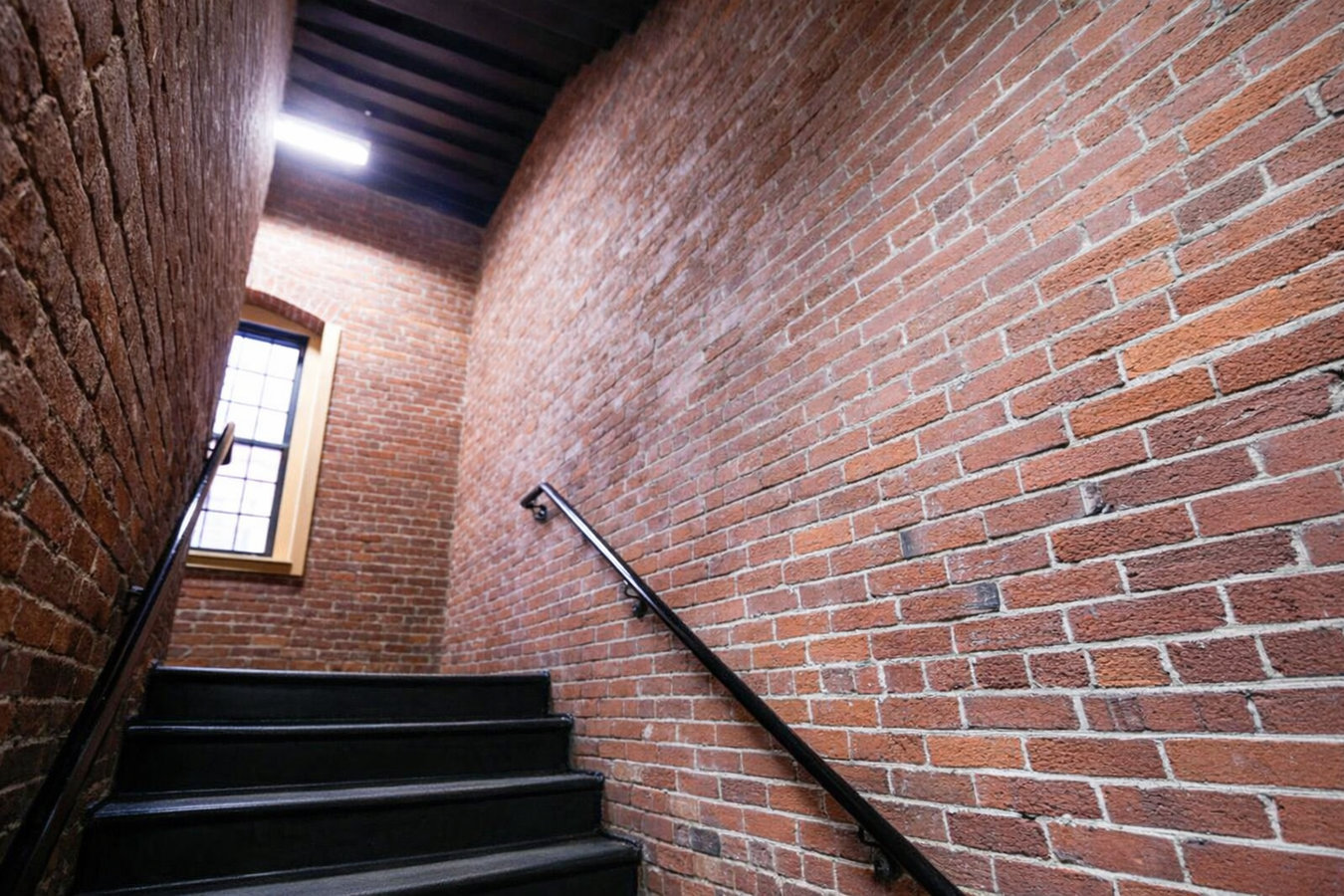
Crumbling mortar and spalling brick get worse every winter. We repair and restore brick, stone, and block so your home stays sealed against South Dakota weather.
Masonry restoration in Rapid City covers repointing worn mortar joints, replacing spalled or cracked bricks, cleaning efflorescence, and restoring chimney crowns - most jobs on a single-story home take one to three days.
If your brick or stone walls are showing white stains, crumbling mortar, or loose bricks, those are early signs that water is getting inside - and every Rapid City winter makes the damage worse. Masonry restoration stops that cycle before a manageable repair becomes a major rebuild.
Many Rapid City homeowners combine restoration with fireplace installation or stone masonry work when they are already addressing the exterior of the home.
Run your finger along the mortar joints between bricks or stones. If the material comes away as powder or small chunks rather than staying firm, it has lost its binding strength. This is the clearest sign that repointing is overdue, and it is especially common on Rapid City homes that have been through many winters.
Those chalky white streaks on the brick face are caused by water moving through the wall and depositing minerals as it evaporates. They are not just cosmetic - they are a signal that water is getting into the wall. In Rapid City's freeze-thaw climate, water already inside the wall will keep doing damage every winter until the entry point is sealed.
Hairline cracks in mortar joints are normal on older masonry, but cracks wide enough to slip a credit card into - or diagonal cracks running through the bricks themselves - indicate significant deterioration or wall movement. Diagonal cracks in particular are worth having a professional assess before the damage spreads.
When the outer surface of a brick starts to peel away in thin layers or develop small pits, water has been getting into the brick and freezing inside it. This spalling is a direct result of Rapid City's hard freeze-thaw winters. Once a brick starts spalling, it will continue to deteriorate - and in some cases the brick needs to be replaced, not just the mortar.
Our most common restoration job is repointing - grinding out deteriorated mortar and packing in a fresh mix matched to your home's original formulation. This matters especially for mid-century Rapid City homes, where softer lime-based mortars were standard and using a hard modern mix can crack the bricks themselves. We also handle spall repair, replacing individual bricks or stones that have broken apart rather than leaving hollow pockets in your wall. If your chimney needs attention, that work is included - chimney crowns and caps take the worst of South Dakota's winters, and restoring them before the heating season prevents water from pouring directly into the flue.
For homes where the brick face itself is sound but stained, we offer masonry cleaning to remove efflorescence, biological growth, and surface dirt before restoration work begins. Some jobs also call for a vapor-permeable sealer after the work is done, applied only when it is appropriate for your specific brick type - not as a default upsell. When restoration also involves structural questions, we can combine it with our fireplace installation work or coordinate with our stone masonry team depending on what your home needs.
Suits any brick or stone wall where mortar joints have cracked, eroded, or gone soft from years of freeze-thaw exposure.
Suits homes where individual bricks or stones have broken apart and need to be replaced to restore structural integrity.
Suits homeowners who want their chimney weatherproofed before winter or who have noticed gaps or missing mortar at the top of the stack.
Suits walls with significant staining, efflorescence, or biological growth that should be removed before new mortar or sealer is applied.
Rapid City sits at roughly 3,200 feet elevation in the Black Hills foothills, and the city sees dramatic temperature swings - sometimes 40 to 50 degrees in a single day during shoulder seasons. When water gets into even a hairline crack in mortar and then freezes, it expands and forces the crack wider. Over many winters, this cycle turns a small maintenance issue into a significant repair. The reliable window for outdoor mortar work runs roughly from late April through early October, so scheduling in spring or early summer gives fresh mortar the full warm season to cure before the first freeze.
Many of the homes we work on in neighborhoods around Rapid City and out toward Summerset were built between the 1940s and 1970s, when softer lime-based mortar formulations were standard. Using modern high-strength mortar on these older walls without matching the original mix can cause the bricks themselves to crack - which is why mortar analysis before any repair work is a non-negotiable part of our process. For more information on preservation standards for older masonry, the National Park Service Preservation Briefs are the most authoritative reference available.
Call or send a message and we will respond within one business day. We will ask a few basic questions about what you are seeing and how old your home is so we can show up prepared.
We walk the exterior of your home and examine the mortar joints, brick faces, chimney, and any areas you flagged. You get a written estimate that explains what we found and why each repair is needed - no vague quotes.
The crew grinds out deteriorated mortar to a consistent depth, then packs new material matched to your home's original mix. Expect some noise and fine dust during the grinding phase - most single-story jobs finish in one to three days.
Once work is complete, we clean up mortar dust from your landscaping and walkways, then walk the finished work with you. We explain the curing period - typically 24 to 48 hours before the new mortar should get wet - and what to watch for going forward.
Free estimate, no obligation. We reply within one business day.
(605) 646-9837Many Rapid City homes were built with softer lime-based mortars that are incompatible with modern high-strength mixes. We assess the existing mortar before mixing anything new, so the repair flexes with your wall instead of cracking it.
We hold active contractor licensing through the South Dakota Department of Labor and Regulation. That means you have real recourse if something goes wrong - and it is one of the first things a reputable contractor should be able to confirm. See current licensing requirements at the SD Department of Labor and Regulation.
Chimneys are the most exposed masonry on most homes and the most commonly overlooked. We include chimney assessment in every restoration estimate, so you know what condition your chimney crown and cap are in before the first fire of the year.
Mortar dust and debris left behind after a job is a common complaint about masonry contractors. We clean your landscaping, walkways, and adjacent surfaces before we ask you to sign off - not after.
Every restoration project we take on starts with a mortar assessment and ends with a walk-through - two steps that most contractors skip. That combination is how we deliver repairs that hold up through Rapid City winters, not just look good for one season.
Build or replace a fireplace using brick, stone, or prefabricated systems - designed for Rapid City's cold winters and chinook wind patterns.
Learn MoreNatural and cultured stone work for walls, columns, facades, and accent features that hold up to South Dakota weather.
Learn MoreRapid City's freeze-thaw season starts earlier than most homeowners expect - the sooner cracks are sealed, the less damage accumulates by spring.